
Pain Relief: Understanding Carisoprodol and Its Role in Managing Muscle Pain
Pain—especially sudden, sharp, or persistent muscle pain—can disrupt daily life in ways we rarely anticipate. At Asdacare, we believe that informed choices lead to better health outcomes. One medication that often enters the conversation around short‑term pain management is Carisoprodol, a commonly prescribed muscle relaxant. This article explores what Carisoprodol is, how it works, its benefits, risks, and what patients should know before using it.
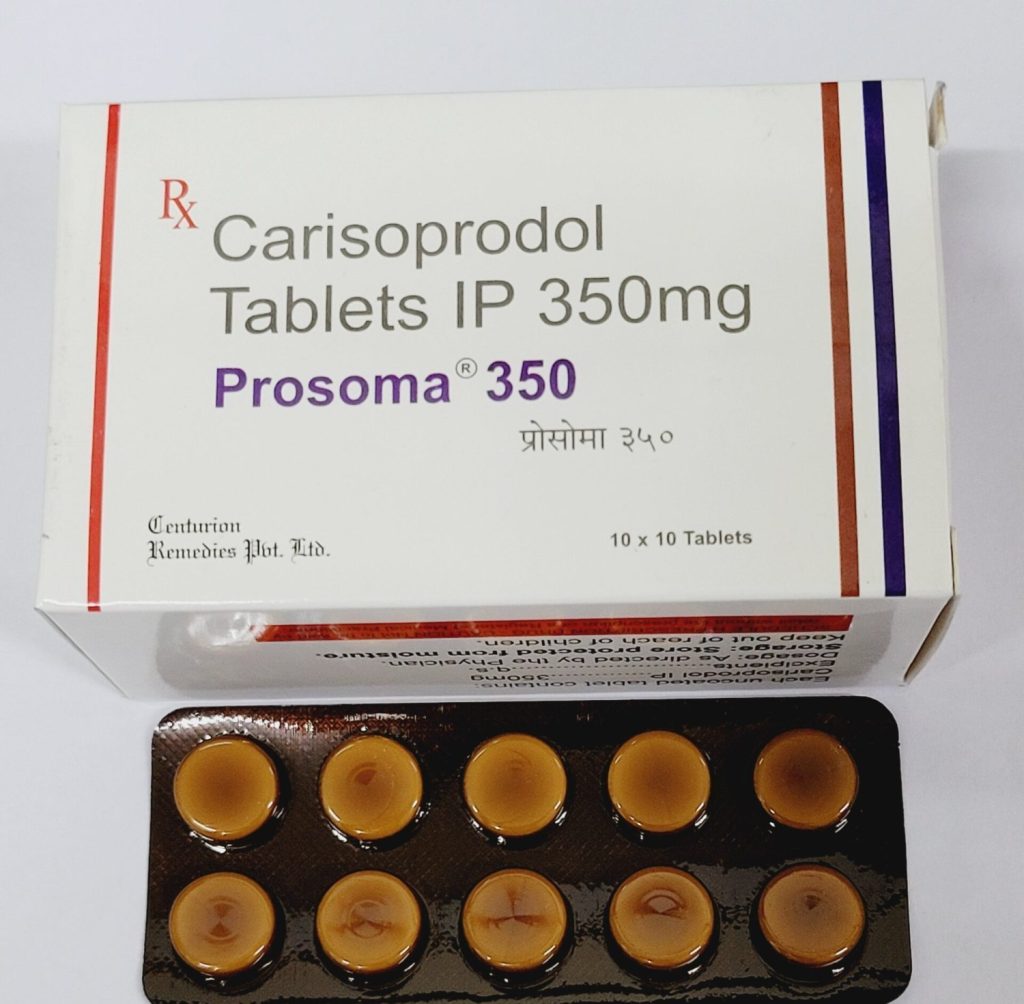
What Is Carisoprodol?
Carisoprodol is a prescription muscle relaxant used to relieve discomfort associated with acute musculoskeletal pain. It is typically prescribed for short-term use—usually 2 to 3 weeks—because most muscle injuries improve within that timeframe.
It is often combined with rest, physical therapy, and other pain-relief strategies to support recovery.
How Carisoprodol Works
Carisoprodol acts on the central nervous system (CNS) rather than directly on the muscles. It helps:
Reduce the sensation of pain
Relax tense or spasming muscles
Improve mobility during recovery
Once taken, the body metabolizes Carisoprodol into meprobamate, a compound with sedative properties. This is why many patients experience a calming or drowsy effect.
When Is Carisoprodol Used?
Healthcare providers may prescribe Carisoprodol for conditions such as:
Muscle strains and sprains
Lower back pain
Neck pain
Tension-related muscle spasms
Injuries from physical activity or accidents
It is not intended for chronic pain or long-term use.
Benefits of Carisoprodol
1. Fast-Acting Relief
Carisoprodol begins working within 30 minutes, making it helpful for sudden or intense muscle pain.
2. Supports Recovery
By reducing muscle tension, it allows the body to heal more effectively when paired with rest and therapy.
3. Short-Term Safety
When used as directed, Carisoprodol is generally well tolerated for short periods.
Possible Side Effects
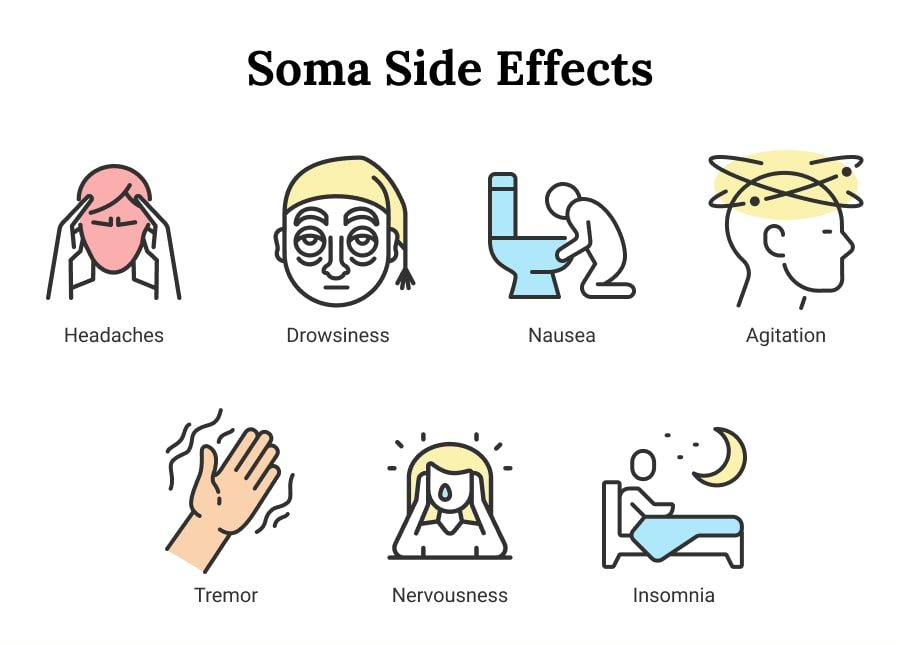
Like all medications, Carisoprodol may cause side effects. Common ones include:
Drowsiness
Dizziness
Headache
Fatigue
Less common but more serious effects may include:
Rapid heartbeat
Low blood pressure
Allergic reactions
Loss of coordination
Because of its sedative effects, driving or operating machinery after taking Carisoprodol is not recommended.
Important Safety Considerations
1. Risk of Dependence
Carisoprodol can be habit‑forming, especially with prolonged use. This is why healthcare providers limit prescriptions to short durations.
2. Interactions With Other Substances
Carisoprodol should not be combined with:
Alcohol
Opioids
Benzodiazepines
Other sedatives
These combinations can increase the risk of dangerous CNS depression.
3. Not Suitable for Everyone
People with certain medical conditions should avoid Carisoprodol unless advised otherwise by a healthcare professional. These include:
Liver or kidney disease
Seizure disorders
History of substance misuse
Pregnant or breastfeeding individuals should also consult their provider before use.

How to Use Carisoprodol Safely
Take exactly as prescribed
Do not exceed the recommended duration
Avoid alcohol and sedatives
Store securely away from children
Do not share your medication
If symptoms persist beyond a few weeks, a healthcare provider may explore alternative treatments.

Pain Relievers